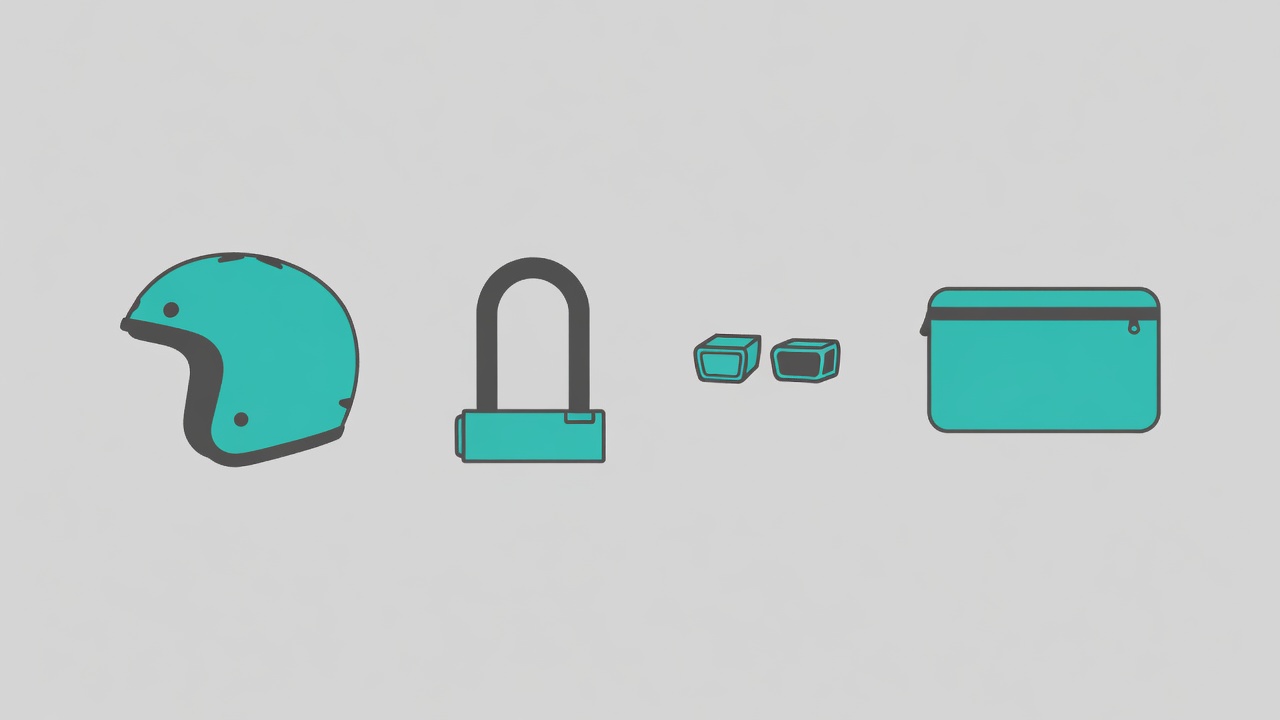
Start with protection that fits
A helmet should be appropriate to the activity and meet any standard required in your jurisdiction. A label is only part of the decision: shape, size, retention and correct adjustment determine whether it stays in place. Follow the maker’s fitting instructions and check that it remains level and secure without creating pressure points. Do not assume a helmet marketed for cycling covers every scooter speed or use case.
EN 1078 and the US CPSC bicycle helmet standard are examples of standards you may encounter, not universal approvals for every electric scooter journey. Match the product to local requirements and manufacturer guidance. Replace a helmet after an impact when instructed, even if visible damage seems minor. Avoid drilling shells or adding unapproved mounts, which can affect performance and may invalidate the maker’s assurances.
Make visibility work from every direction
Check the scooter’s fitted lights before buying extras. A bag, coat or lock can block an otherwise functional lamp or reflector. Position any additional light securely so it helps other road users see you without dazzling them. Rules on lighting colour, flashing modes and placement vary, so check the local requirements rather than copying a setup from a video filmed elsewhere.
Reflective details can support visibility when illuminated, but they do not replace required active lighting. Keep lenses and reflectors clean and include light charging or battery checks in your routine. Gloves should allow you to reach and modulate the brakes reliably. Clothing should suit conditions without leaving dangling straps, loose hems or cords near wheels and folding mechanisms.
Buy a parking plan, not just a lock
Start by locating a lawful, suitable parking place at your destination. Check that it does not narrow an accessible route, obstruct tactile paving, block a doorway or interfere with a dropped kerb. An anchor needs to be fixed and appropriate for the lock. A scooter’s removable handlebar, detachable part or weak accessory loop may not provide meaningful security.
Choose a lock that can secure an appropriate structural part of your particular model. If you use insurance, read its lock, location and storage conditions before purchasing equipment. Sold Secure is one independent rating scheme you may encounter, but the relevant rating category and your insurer’s accepted list matter. No lock is theft-proof, and an electronic app lock is not a substitute for a physical security plan.
Record the serial number and keep purchase documentation somewhere separate from the scooter. Tracking devices may help locate property, but battery life, network coverage and compatibility limit them. Do not treat a tracker as permission to confront someone or enter private property. Report theft through the appropriate local process.
Let navigation stay in the background
Plan the route before riding and learn the difficult turns. If a phone mount is permitted and useful, choose one compatible with the scooter and phone, secure it as instructed and check that it does not restrict controls, cables or folding. A vibrating display is not a reason to keep adjusting the screen while moving. Stop in a safe place before changing directions or responding to a message.
Apps can help with weather, public transport connections and shared-vehicle availability, but their information is not guaranteed. Save essential route details and know an alternative if the phone loses power or reception. Avoid audio setups that reduce your awareness of surrounding traffic, and follow local restrictions. Smart commuting is often about reducing decisions while riding, not adding a dashboard full of notifications.
Carry only tools you can use correctly
A pressure gauge and compatible pump can be useful for pneumatic tyres, but valve access and pressure limits differ by model. Check compatibility at home before relying on a tool beside the road. A puncture kit is useful only if it suits the tyre system and you know the permitted repair method. Some repairs need wheel removal, specific torque settings or professional attention.
Do not carry a collection of hex keys as a substitute for a service plan. Incorrect tightening can damage folding assemblies, brakes or other safety-critical components. If you cannot diagnose a fault confidently, stop using the scooter and arrange a suitable way home. Do not make roadside electrical repairs, open battery enclosures or bypass a fault warning to complete a journey.
Keep the load stable and modest
A close-fitting bag can keep equipment together, but avoid overloading yourself or the scooter. Do not hang shopping bags from the handlebars; swinging loads can disturb steering and catch controls. Secure straps and place heavier items so they do not shift unexpectedly. Include all luggage when checking the manufacturer’s maximum load.
The final kit test
Which recurring problem does this item solve?
Does it work with this scooter, route and rider?
Will its weight, charging or storage create a new problem?
Review your kit after a few ordinary commutes. Remove items that never help, replace unreliable pieces and keep the essentials easy to check. A calm setup is one you can understand and maintain without turning every journey into an equipment exercise.